I’ve heard of allergies before, but I never really experienced them until last year.
At one point, my congestion and runny nose were so bad that I had to step away from work for an hour or two. This past week, the symptoms came back, and it made me wonder — did I develop spring allergies?
It turns out my symptoms closely match allergic rhinitis (hay fever), likely still in an early stage. If left unmanaged, it can get worse and even become long-term.
What surprised me is how much it can affect daily life. In my case, nasal congestion made it hard to use my sleep apnea machine. Without it, I started experiencing brain fog, fatigue, and headaches. That’s when I realized this isn’t just a “minor seasonal issue.”
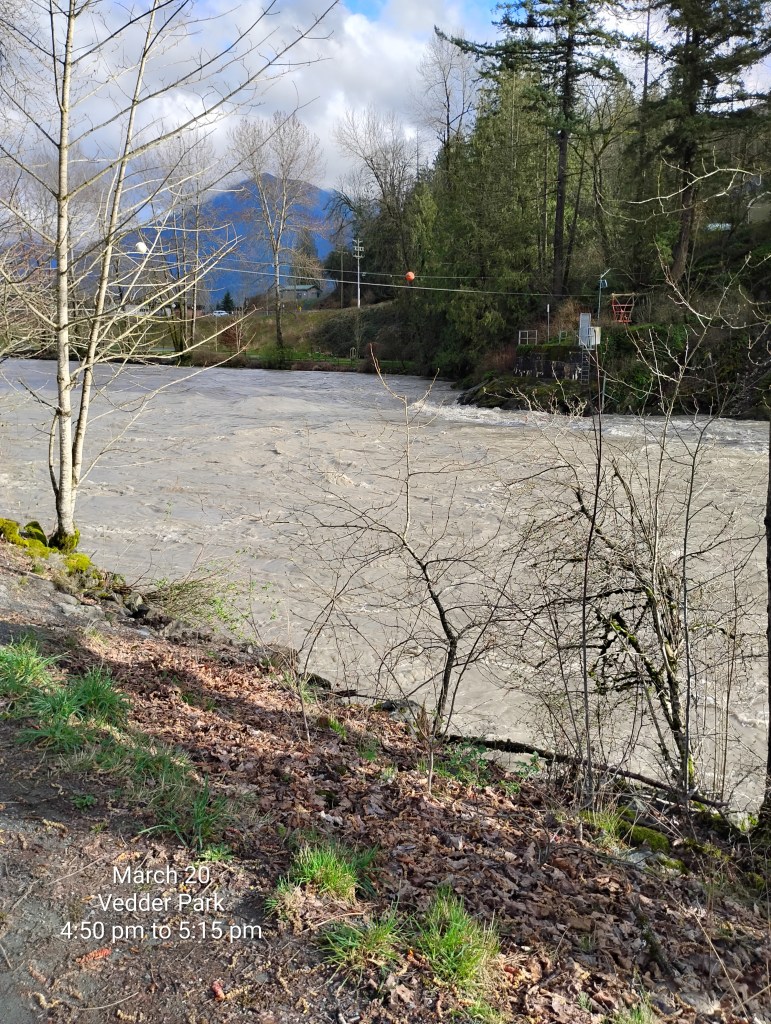
After looking into it, I think my symptoms were triggered by spending a lot of time outdoors this spring. I’ve been going to local parks, Vedder River trails, and other parks around Vancouver and the Fraser Valley with my child.
In this region, pollen sources actually change over time:
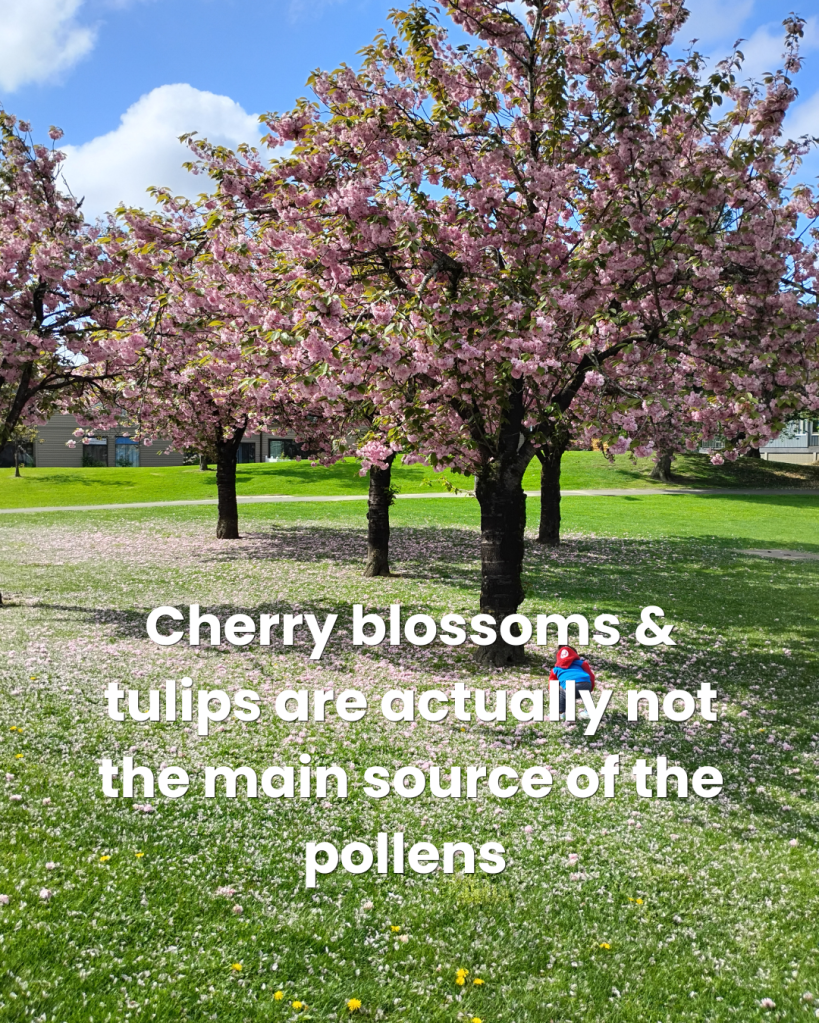
• February to April: hazelnut, alder, willow, cedar
• May to June: birch, maple, oak, and grass
• July to August: grass and weeds
These pollen particles are larger than dust but still invisible to us. Because we can’t see them, we often don’t realize how much we’re exposed. Sneezing is just the body’s first quick reaction to these “uninvited visitors.”
Looking back, there are simple things I could have done earlier to reduce the symptoms — and I’ll be more mindful going forward.
Here are a few things I’ve learned so far:
- Check pollen levels (e.g., IQAir) and plan outdoor time accordingly
- Keep windows closed during high pollen days, especially when it’s windy
- Change clothes and wash your face or hair after coming home
- Consider rinsing your nose with saline to remove pollen (I haven’t tested this consistently yet, but I plan to)
Allergies may seem small at first, but they can quietly affect your energy, focus, and overall well-being.
For me, this was a reminder that sometimes small environmental factors — like pollen — can have a much bigger impact than we expect.
 Tuesday & Peanut
Leave a comment